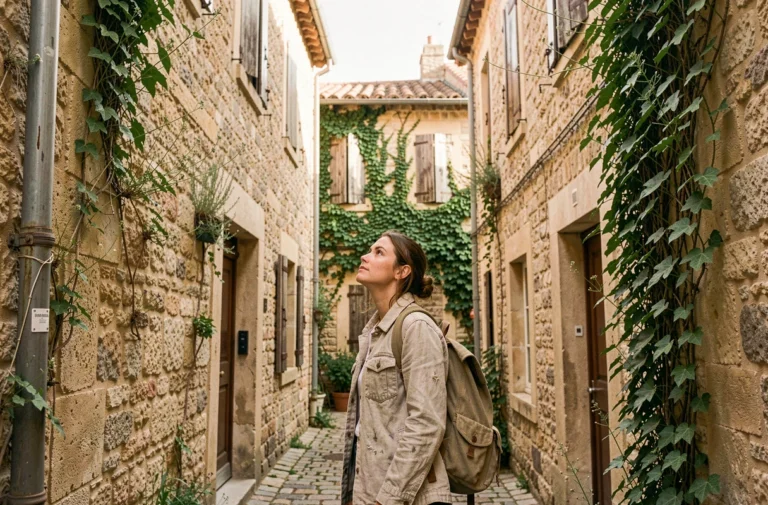
In Quimper, a granite wall can dictate the style of an entire room, while in Saint-Malo, a simple detail in raw wood makes all the difference. Here, the renovation of an old house often follows a series of meticulous rules aimed at preserving local heritage. Yet, Brittany does not live in a frozen bubble: some modern materials find their place, as long as they fade into the background of the harmony of volumes and the spirit of the place. Breton artisans, far from confining themselves to tradition, juggle the old and the new, never betraying the soul of the walls.
In this region, decoration choices rely on gestures learned from the elders while opening up to inspirations from elsewhere. Bold transformations, even the most personal, do not erase the priority given to authenticity. With a few rare exceptions, Breton uniqueness is expressed without artifice, driven by meticulous attention to detail and the history of the places.
What Makes the Unique Charm of Breton Interiors
Opening the door of a Breton house is to enter a universe where white wood meets local stone, where each natural material has its reason for being. Linen, cotton, and wicker adorn chairs, cushions, and sofas, allowing the space to breathe without cluttering it. Here, touch matters as much as sight; everything is designed to invite you to settle in and slow down.
In the living room and dining room, the desire to share takes shape through a measured accumulation of throws, thick rugs, and poufs within reach. Rounded furniture, wooden rocking chairs, small coffee tables, and hanging armchairs gently define the space. For lighting, multiple sources combine: fairy lights, scented candles, and accent lamps create an enveloping atmosphere, while natural light reveals a neutral palette of beige, light gray, and off-white, accented by a few touches of caramel or terracotta.
Some carefully chosen objects tell a story: travel souvenirs, framed photos, bouquets of dried flowers, or climbing plants introduce a lively and personal note. For those wishing to delve into regional specifics, the Jeune Bretagne website lists tailored advice in its “Housing – Jeune Bretagne” section.
In the bathroom and kitchen, raw stone and solid wood remain the stars, sometimes accompanied by terracotta-style tiles. A few rattan accessories or a well-placed screen transform a corner into a reading nook or a quiet retreat. Simplicity prevails, but every detail counts; each choice contributes to that impression of softness and warmth that characterizes Breton interiors.
How to Draw Inspiration from Local Traditions for a Warm and Authentic Decoration?
Rely on the Expertise of Local Artisans
The specificity of the Breton house lies in the integration of pieces chosen from creators or artisans rooted in the region. Through each object, a part of the territory invites itself into daily life. A screen-printed earthenware piece recalls the work of a workshop in Concarneau; a sculpted bottle shaped like a fish head evokes the call of the sea.
Here are some concrete ideas to anchor your decoration in local tradition:
- Display Breton tableware and decorative objects on open shelves to give them full visibility.
- Hang a linen Breton embroidery or simply place it on a piece of furniture for a discreet nod to heritage.
- Place a few candles made in Brittany to enhance the cozy atmosphere.
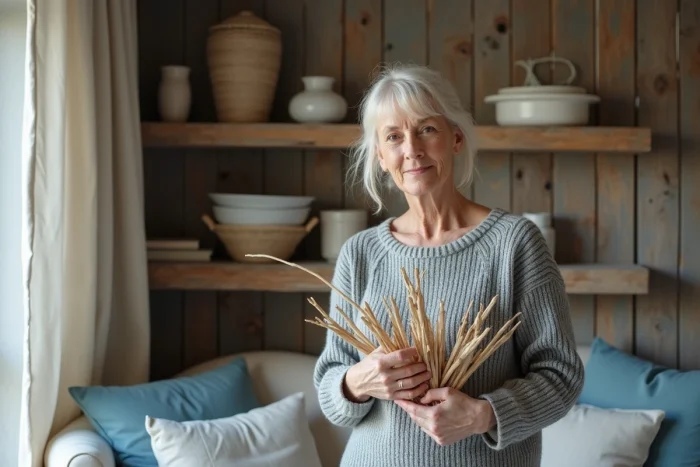
Natural materials structure the space and remind us of the authenticity of Breton decoration. Linen, wood, and stone subtly interact and serve as a common thread. As for the finishing touch, it comes from objects derived from local heritage: wicker baskets, woven trays, and handmade lanterns.
This diversity of carefully chosen elements reflects a sincere quest for authenticity. Today’s Breton decoration is no longer limited to a few folkloric nods; it is rooted in daily life, blending tradition and modernity, and making every detail a bridge between past and present. This is how an interior becomes truly unique, without ever losing its warmth.
Practical Tips for Renovating Without Losing the Breton Soul of Your Home
Enhancing the Structure and Its Materials
Preserving stone walls, exposed beams, or solid wood is to safeguard what gives the Breton house its character. A lime plaster on the walls or wooden cladding outside extends this dialogue between the old and the contemporary. Playing with natural shades, off-whites, and light grays visually enlarges the space and highlights natural light, which enhances the nobility of materials without ever distorting them.
Working with Volumes and Uses
Each transformation should be considered with respect for the original structure. A reading nook under a sloped ceiling, a screen or a partition to structure the space without closing it off, an antique solid wood table paired with contemporary chairs: these are practical solutions to blend comfort and uniqueness.
To enhance the welcoming atmosphere, here are a few tips to adopt:
- Choose plush cushions and cozy throws, perfect for warming up the atmosphere.
- Slip in a few rattan furniture pieces or wicker baskets in a nook or along the stairs to add a handcrafted touch.
- Dare to use textured wallpaper or relief tiles in the bathroom or kitchen to add depth.
Renovating a Breton house is about finding the balance between respect for heritage and current creativity, guided by the choice of natural materials and meaningful objects. The story then continues without ever repeating itself, and each house tells its own unique, vibrant tale.