One in ten children experiences physical or psychological violence in France before the age of 18, according to figures from the Ministry of Health. Despite strengthened legislation and increased awareness, support systems remain underutilized, and families struggle to find reliable references.
Amidst academic demands, exposure to social media, and social pressure, family balance is becoming fragile, testing parents’ ability to provide support. Help resources exist, but access remains unequal depending on territories and family situations.
Children Facing New Challenges: Understanding What is Changing Today
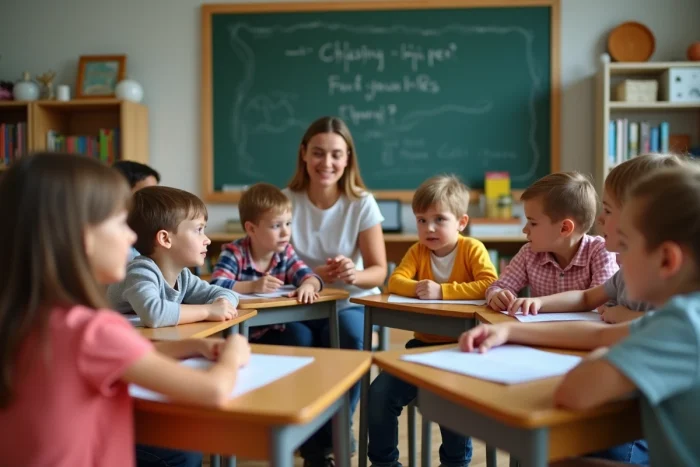
Childhood in France is no longer a smooth river. The references of yesterday are wavering, replaced by unprecedented challenges. Children face an ever-growing pressure: cyberbullying has entered screens, social media disrupts norms, and schools demand more and more. This observation is confirmed by the figures: in 2023, UNICEF supported over 10.8 million children and adolescents worldwide on mental health issues. Mental well-being has emerged as a top concern.
Child protection no longer stops at combating physical violence. It extends to preventing neglect, addressing dangers related to digital technology, and fighting against practices such as early marriage or female genital mutilation, realities that are rare in France but require constant vigilance. International actors, notably UNICEF, mobilize associations and local authorities to defend the rights of the youngest and eradicate child labor. However, on the ground, each family faces its own uncertainties, trying to adapt to an ever-evolving daily life.
Mental health is becoming a central issue in child development. Anxiety, sleep disorders, attention deficit: these are signals that remind us of the key role of the family environment, nutrition, and physical activity. Prevention also means fostering autonomy. Often taken too lightly, financial education can sow the seeds of responsibility from childhood.
To avoid navigating blindly, some specialized sites like https://parlonsenfance.fr/ provide practical advice and concrete resources to support parents and children in their daily lives. Exchanging, informing, consulting professionals: these collective levers outline a solid response to the challenges of contemporary youth.
How to React When Feeling Overwhelmed? Concrete Advice for Parents
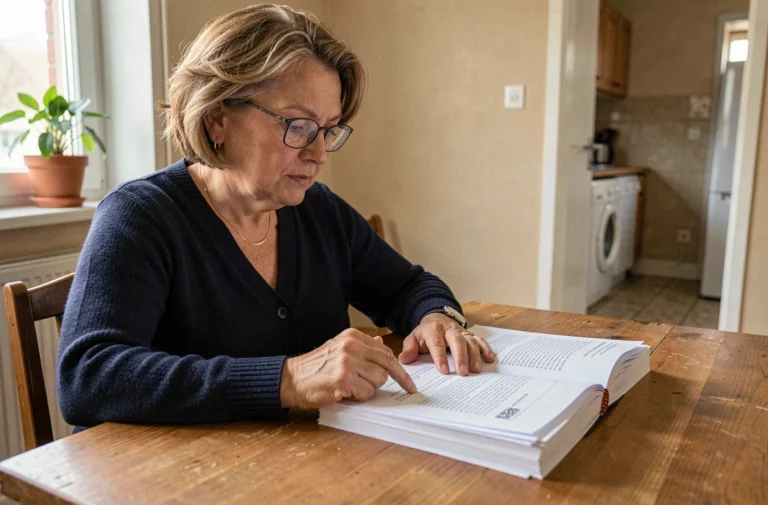
Family life often overflows the established frameworks. Fatigue, accumulation of responsibilities, mental load: this feeling of being overwhelmed spares no one. It does not signify weakness but highlights the multitude of tasks society expects from parents today.
Asking for support is refusing isolation. Educational support, whether in the form of home assistance or intervention in an open environment, provides an outside perspective, allows sharing difficulties, and opens dialogue with trained professionals. For families financially weakened, the law of March 5, 2007, paved the way for support in social and family economics. This system helps regain balance and establish more stable foundations.
Here are some resources that can ease daily life when the situation becomes too heavy:
- temporary care for the child through a parental relay
- intervention by specialized teams
- listening to the extended family through a Family Group Conference
These options, sometimes little known, help avoid isolation and act before difficulties settle in permanently.
In some cases, the judicial authority can establish a measure to assist in managing the family budget, to guide households towards regained autonomy. As soon as a child shows psychological distress, consulting a health professional, particularly in mental health, can be decisive. The parent, through their presence and listening, conveys references, builds trust, adjusts expectations: all foundations for resilient support.
Resources and Support at Hand to Support the Whole Family
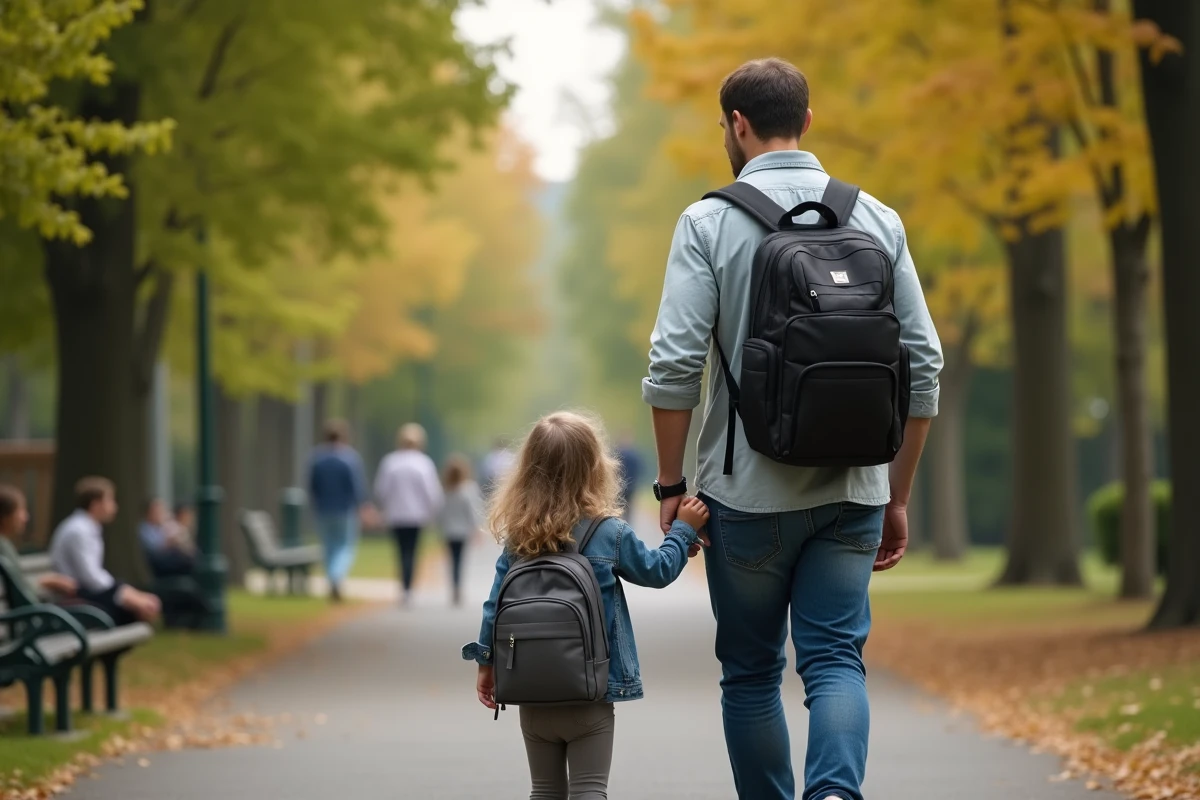
A multitude of challenges, a multitude of solutions: families seek tangible references, tools that respond to the reality on the ground. The digital world, omnipresent, exposes new risks but also opens the door to unprecedented resources. The CNIL raises awareness among the youngest about privacy issues with the manga “The Privacy Agency” and the FantomApp, designed for 10-15 year-olds and dedicated to safety on social media. The goal: to empower every child to protect their own digital sphere.
Developing digital skills is becoming essential. Pix.fr, in partnership with ANSSI, offers a cybersecurity certificate. Other initiatives exist, such as the “Internet Permit for Children” promoted by AXA Prevention and the National Gendarmerie, or the booklet “Web Champions” created by ISSA France, which facilitate playful and active learning. The Ministry of National Education also provides “The Digital Odyssey,” a tool to decode together the stakes of the connected world.
Anticipating tomorrow’s needs also means thinking about family foresight. This foresight translates very concretely:
- opening a Livret A account at birth
- offering a Youth Booklet during adolescence
- setting up a housing savings plan to prepare for the future
- diversifying protection through life insurance
The Foundation of France also contributes by supporting actions that place the child and family at the center of priorities. All these solutions, far from being anecdotal, help anchor prevention, promote autonomy, and strengthen the protection of every child, whether young or a young adult. In the face of the complexity of today’s world, these systems outline a safer horizon for childhood, a horizon that is just waiting to be realized, step by step, in the life of every family.