
A dish from the day before cannot be reinvented without caution: the seafood sauerkraut requires a light touch and constant vigilance.
Reheating fish-based preparations follows different rules than those for meat dishes. A simple prolonged exposure to heat is enough to alter the texture of fish and seafood, risking making them rubbery or bland. Industrial processes often apply high temperatures, while some home recipes favor gentleness and patience.
Food safety also imposes strict storage times and the need to avoid breaking the cold chain, under penalty of promoting bacterial proliferation. Reheating methods must thus combine efficiency, preservation of flavors, and health guarantees.
Why seafood sauerkraut requires special attention when reheating
The slightest mistake and the seafood sauerkraut loses all its appeal: the fish becomes rubbery, the seafood dries out, and the cabbage turns too acidic. This dish relies on a delicate balance of moisture, texture, and temperature. It has nothing to do with the classic version: here, gentle cooking is essential, between 80 and 150°C depending on the chosen technique. A sudden contact with direct heat, and all the artistry of the dish collapses: distorted aromas, damaged fish flesh, and a broken harmony between the cabbage, shellfish, and fish.
The entire challenge of how to reheat seafood sauerkraut without altering it lies in respecting marine flavors, paying attention to the moisture of the cabbage, and balancing acidity. A well-reheated sauerkraut always retains enough liquid, broth, water, or cooking juice, to prevent it from drying out. The result: the cabbage remains tender, the fish is flaky, and the seafood retains its suppleness.
Food safety cannot be overlooked. Heating the sauerkraut to a serving temperature between 65 and 70°C is the rule. Too fast or too hot, and it opens the door to bacteria, crumbling fish, and lost flavors. Rigor is essential: each recipe, each version, whether homemade or store-bought, requires a precise method. The next day, the flavors blend more intensely, but reheating requires true attention.
Which methods to favor for reheating without altering the flavor or texture of fish and seafood
The gentle efficiency of the Dutch oven and the oven
To maintain the tenderness of the cabbage and the delicacy of the fish, the Dutch oven proves unbeatable. Place the seafood sauerkraut in a thick-bottomed container, add a few spoonfuls of broth or a splash of white wine, and cover carefully with a lid or aluminum foil. Heat gently, between 80 and 100°C, taking care to mix gently: the goal is not to break the pieces.
When it comes to a family dish, the oven becomes a reliable ally. 150°C, convection heat, covered dish: about twenty minutes are enough for even reheating. Monitor the temperature, aiming to reach 65 to 70°C, no more, no less.
Here are the appropriate uses for each situation:
- Favor reheating in a Dutch oven for small quantities
- Opt for the oven if the sauerkraut is served to several guests
Bain-marie, steam, and microwave: alternatives suited to each situation
For vacuum-packed sauerkraut or for slow reheating, the bain-marie is ideal. Slip the closed pouch into simmering water, let it heat for ten minutes: the texture and flavors remain preserved. For individual portions, steaming offers maximum preservation of the fish, without the risk of drying out. Place the sauerkraut in a suitable dish, cover with a pierced plastic wrap, and heat briefly.
The microwave is handy for a quick meal: cover tightly, add a bit of liquid, choose the lowest power, proceed in short bursts, and check the internal temperature.
The choice of technique depends on the volume to be reheated, the available equipment, but especially on the attention paid to preserving textures. Always mix gently, monitor moisture, and if needed, add a touch of butter or cream to enhance creaminess and indulgence.
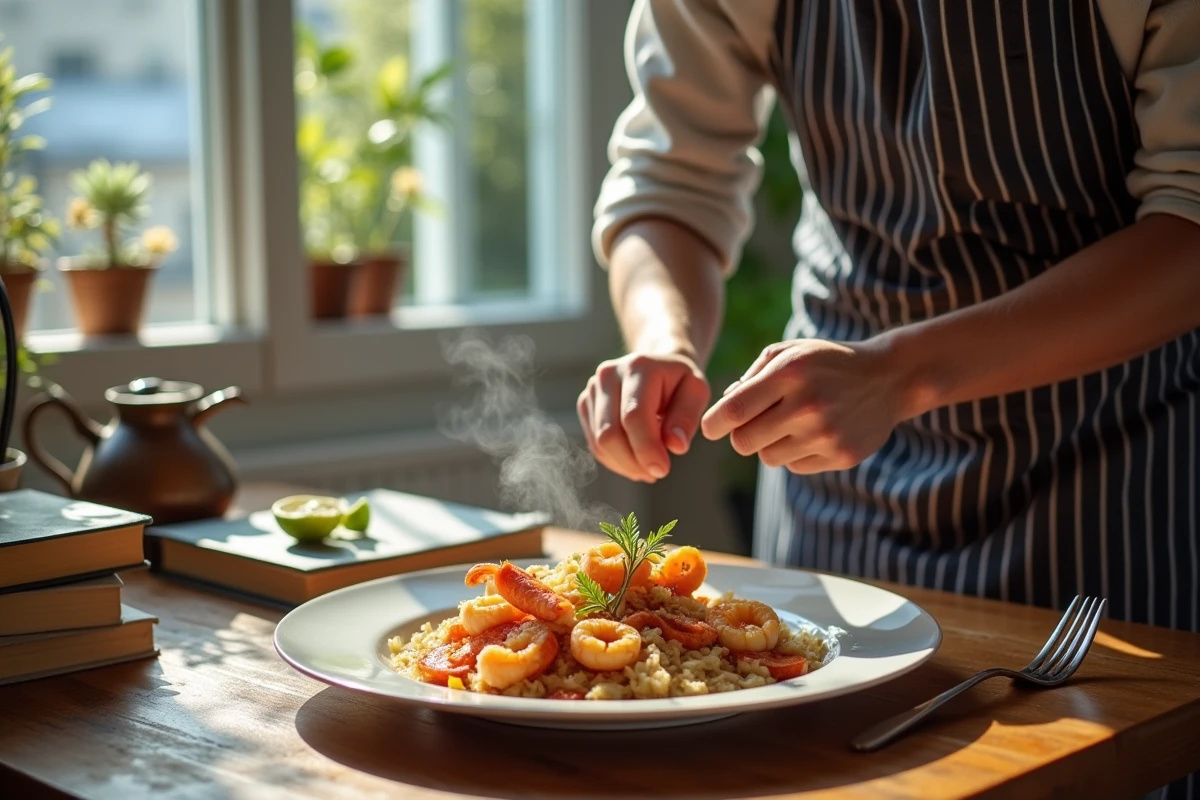
The right gestures to preserve the quality and food safety of your prepared dish
There can be no compromise on food safety, especially for a preparation with fish and seafood. After the meal, transfer the seafood sauerkraut to a sealed container and place it quickly in the fridge. Germs proliferate as soon as they find a warm environment: cool down without delay, store in the refrigerator, and never leave the dish at room temperature for more than two hours. This reflex preserves freshness and limits unnecessary risks.
Remember to divide leftovers into portions before refrigerating. A large pot cools poorly and encourages recontamination: prefer individual containers. This also avoids having to reheat the entire dish each time, which harms the texture of the cabbage and fish, and compromises food safety. One reheating is enough: beyond that, the dish becomes risky.
To extend preservation, freezing proves valuable. Always separate the potatoes, meats, or Strasbourg sausages from the cabbage and seafood. The Strasbourg sausage will regain its ideal texture in a few minutes in steam or simmering water. Add the potatoes only at the end of reheating so they remain firm and pleasant to the bite.
Rigor and precision are the best allies of the cook: a single reheating cycle, monitored temperature, refrigeration for a maximum of three to four days, and beyond that, to the freezer. Preserving the taste of the dish also means looking after everyone’s health. On the table as in the kitchen, seafood sauerkraut demands an expert hand and a vigilant eye. Nothing is more satisfying than enjoying a reheated dish that has lost none of its character, just the evidence of discreet know-how.